
September 28, 2026 · Infrastructure
Goldman Sachs now projects that Amazon, Alphabet, Microsoft, Oracle, and Meta will spend a combined $1.2 trillion on AI infrastructure in 2027. That figure is up from roughly $800 billion expected in 2026 and sits above the Wall Street consensus of about $1.1 trillion.
The forecast lands as hyperscalers keep signing multi-year power, chip, and cloud contracts. Columbia economist Stijn Van Nieuwerburgh has separately estimated that the broader U.S. AI buildout could require more than $10 trillion through 2032, or about 3.6 percent of GDP each year.
Investors are watching unit economics as closely as headline capex. Open-weight models now process a majority of tokens on some developer gateways, and price cuts from frontier labs are compressing margins even as chip and power bills rise.
The Goldman number is a planning signal more than a guarantee. If demand for inference slows, or if permitting and power constraints bite harder, 2027 spend could undershoot. If agent workloads keep scaling, it could still prove conservative.
Key takeaway. AI capex is no longer a side budget. It is becoming one of the largest industrial investments in modern U.S. history.
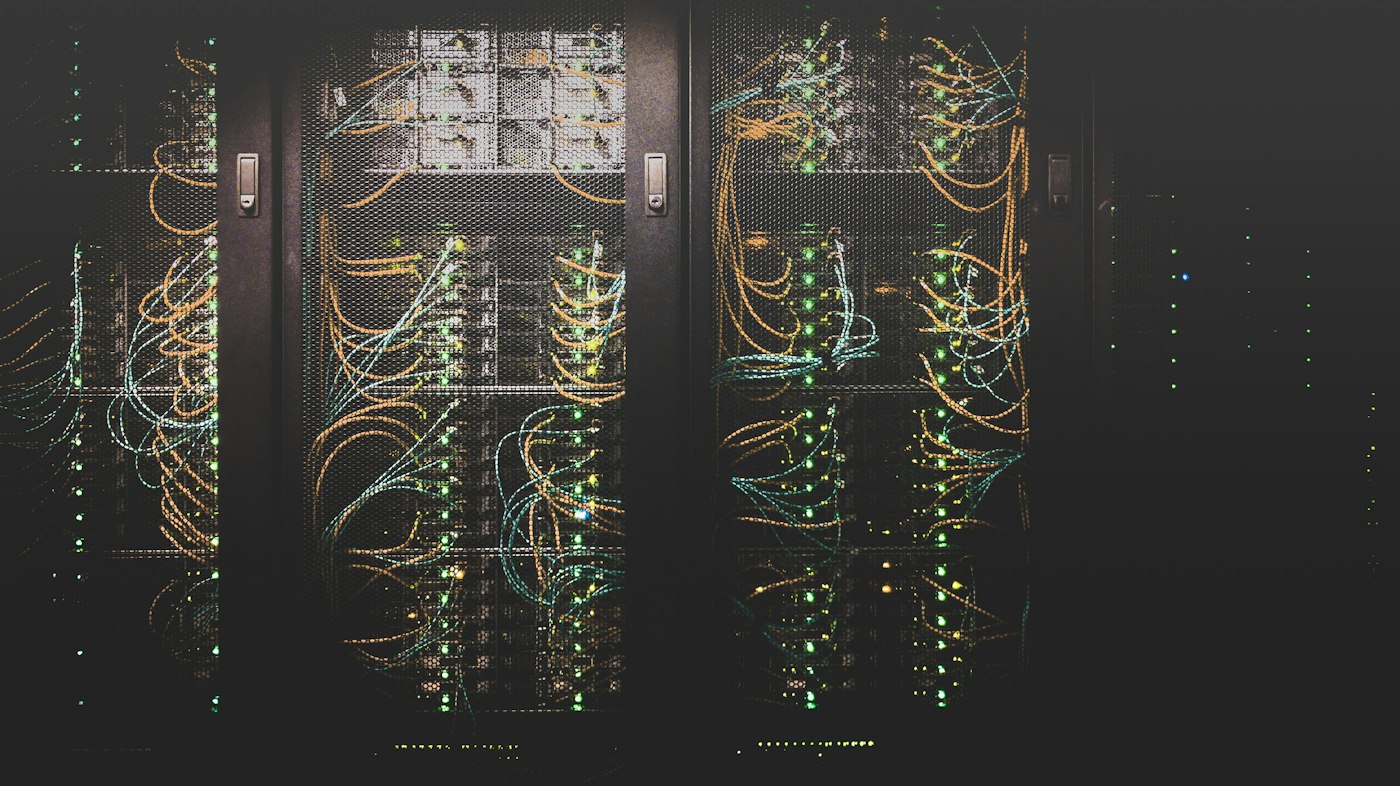
Photo: Photo by Taylor Vick via Unsplash.
Sources: AI Weekly · The Decoder via Sharpe AI