
DeepMind Maps 9 Billion Possible Human DNA Letter Changes
Google DeepMind released the AlphaGenome Atlas, a searchable database of precomputed molecular-effect predictions for all 9 billion possible single-letter changes in the human genome. Built on the AlphaGenome model and produced with partners including the Stowers Institute, the atlas targets the 98% of the genome that does not code for proteins and has been historically hard to interpret.
Researchers can look up how a variant might disrupt gene regulation without running a wet-lab assay for every candidate. Early users at the Broad Institute, the University of Exeter, and Stowers have already used the resource to flag disease-linked variants. Outside experts have been careful: this is a research lookup table, not a clinical diagnostic.
The scientific claim is scale. Exhaustively testing every possible single-nucleotide change in a traditional lab is not feasible. Precomputing predictions does not make them true, but it changes the order of work — computational triage first, experimental confirmation second.
Coming in the same news cycle as OpenAI’s mathematics claim, AlphaGenome is a reminder that frontier labs are also competing on scientific infrastructure: public databases that lock in a model family as the default lens on biology.
Key takeaway DeepMind is productizing genome interpretation as a lookup, not a one-off paper. The atlas could speed variant triage; it should not be read as a ready-to-use clinical oracle.
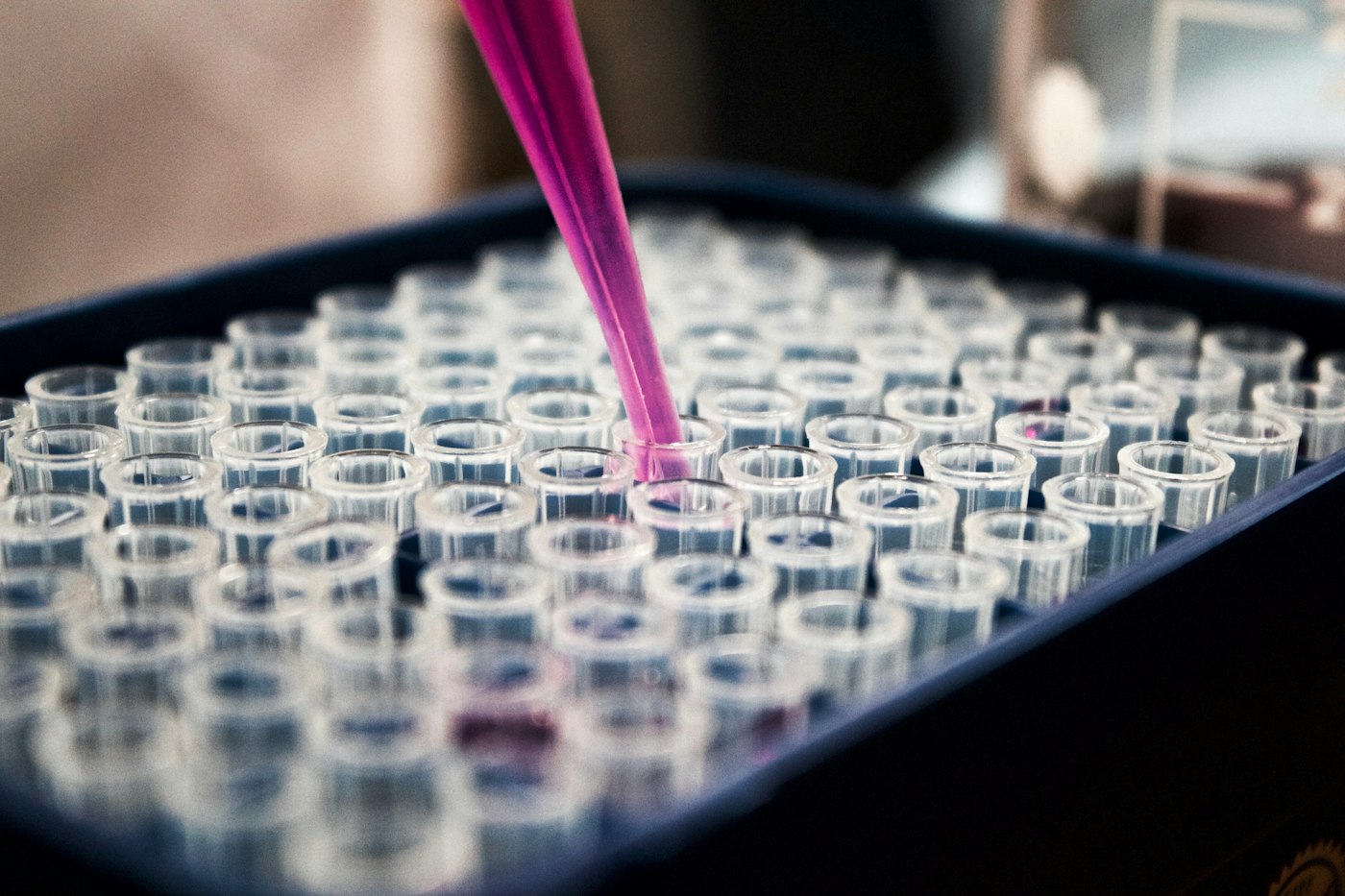
Photo: Unsplash (DNA). Sources: EurekAlert, Scientific American, Nature explainers, The Neuron digest, AIBARS Sept. 9 coverage.