Sam Altman said on a podcast that OpenAI intends to build its own humanoid robot rather than only license models to other hardware companies. His argument was practical: doors, tools, kitchens, and factory aisles were designed for human bodies, so a human-shaped machine is the shortest path into existing physical environments.
The comment lands in a crowded field. Figure, Tesla, Apptronik, Unitree, and a growing set of Chinese labs already treat humanoids as the default form factor for general-purpose physical labor. OpenAI has partnered around robotics before; building the body in-house would be a different bet—capital intensive, slower, and much closer to manufacturing risk.
It also fits a broader 2026 pattern in which model labs refuse to stay “just software.” Compute, chips, data centers, and now bodies are being pulled inside the same companies that train the models. Control of the stack is becoming as important as benchmark scores.
Altman did not publish a ship date or a prototype photo with the remark. The significance is strategic: OpenAI is publicly claiming the physical world as part of its product map, not a partner-only neighborhood.
Key takeaway. OpenAI’s CEO is no longer describing robots as a customer category. He is describing them as a product the lab may own end to end.
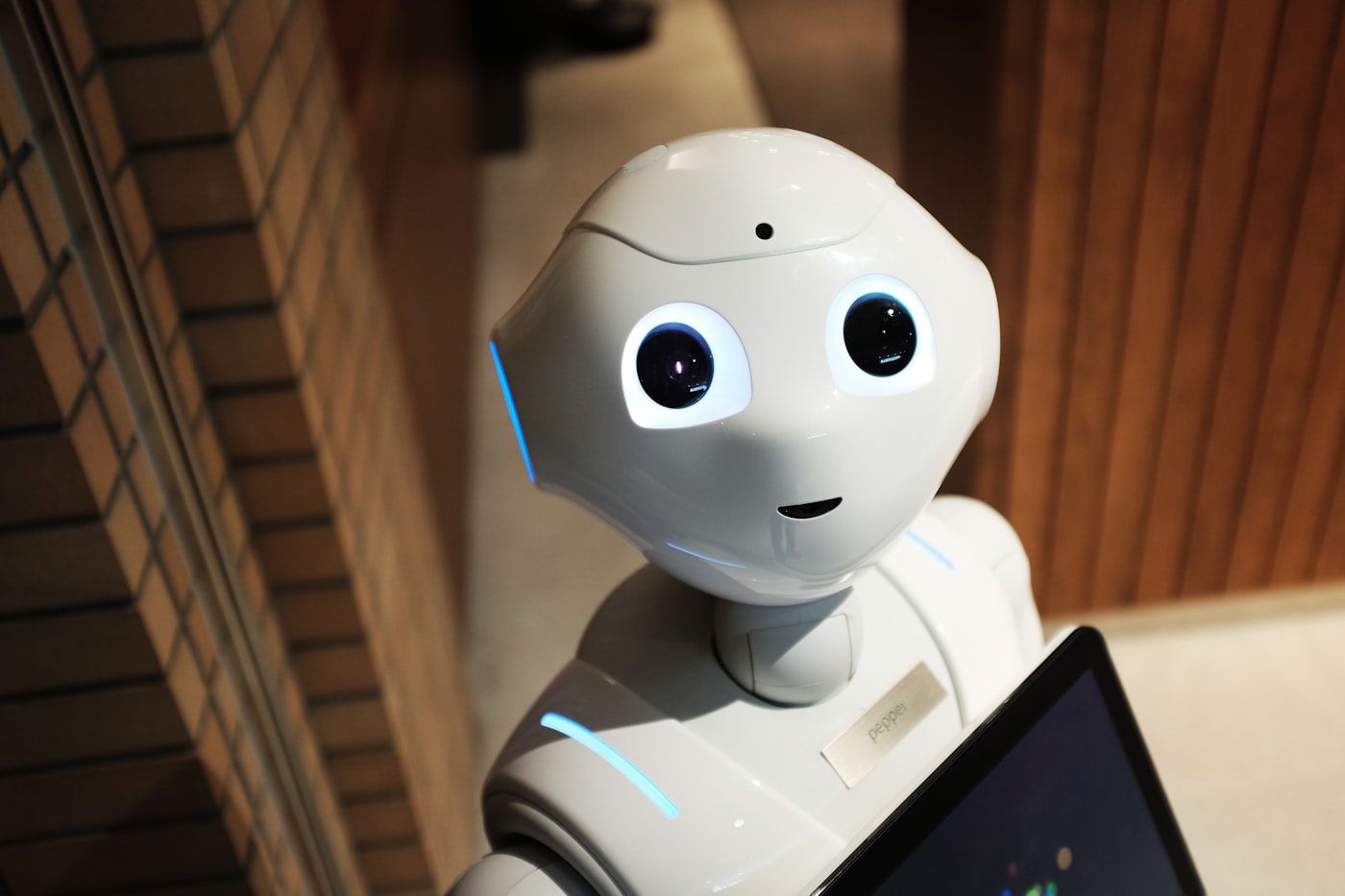
Photo: Unsplash (humanoid robot). Sources: Forbes and Sept. 8, 2026 industry roundups citing Altman’s podcast comments.