
Early data around rentosertib, a drug candidate designed with help from artificial intelligence, has drawn fresh attention this week. The New York Times reported that the molecule, developed for a rare lung condition, also appears to reduce biological hallmarks of aging, according to its maker.
Insilico Medicine has been the company most closely associated with the program. Related coverage described a Nature Biotechnology study claiming reductions across multiple “aging clocks.” Those clocks are statistical measures, not a fountain of youth, and they can disagree with one another. Still, a clinically advancing compound that moves several clocks at once is rare enough to matter.
The story is bigger than one molecule. Generative chemistry and target-discovery models have spent years promising shorter paths from hypothesis to candidate. Rentosertib is one of the first programs where that pipeline is being argued in both a disease indication and a longevity readout at the same time.
Regulators and clinicians will demand conventional endpoints: function, survival, safety. Aging-clock improvements will not replace those. They may, however, pull more capital into AI-native drug design if the lung-disease data hold up.
Key takeaway. An AI-generated candidate is no longer just a discovery headline. It is being discussed as a possible modifier of aging biology—while still having to clear ordinary clinical proof.
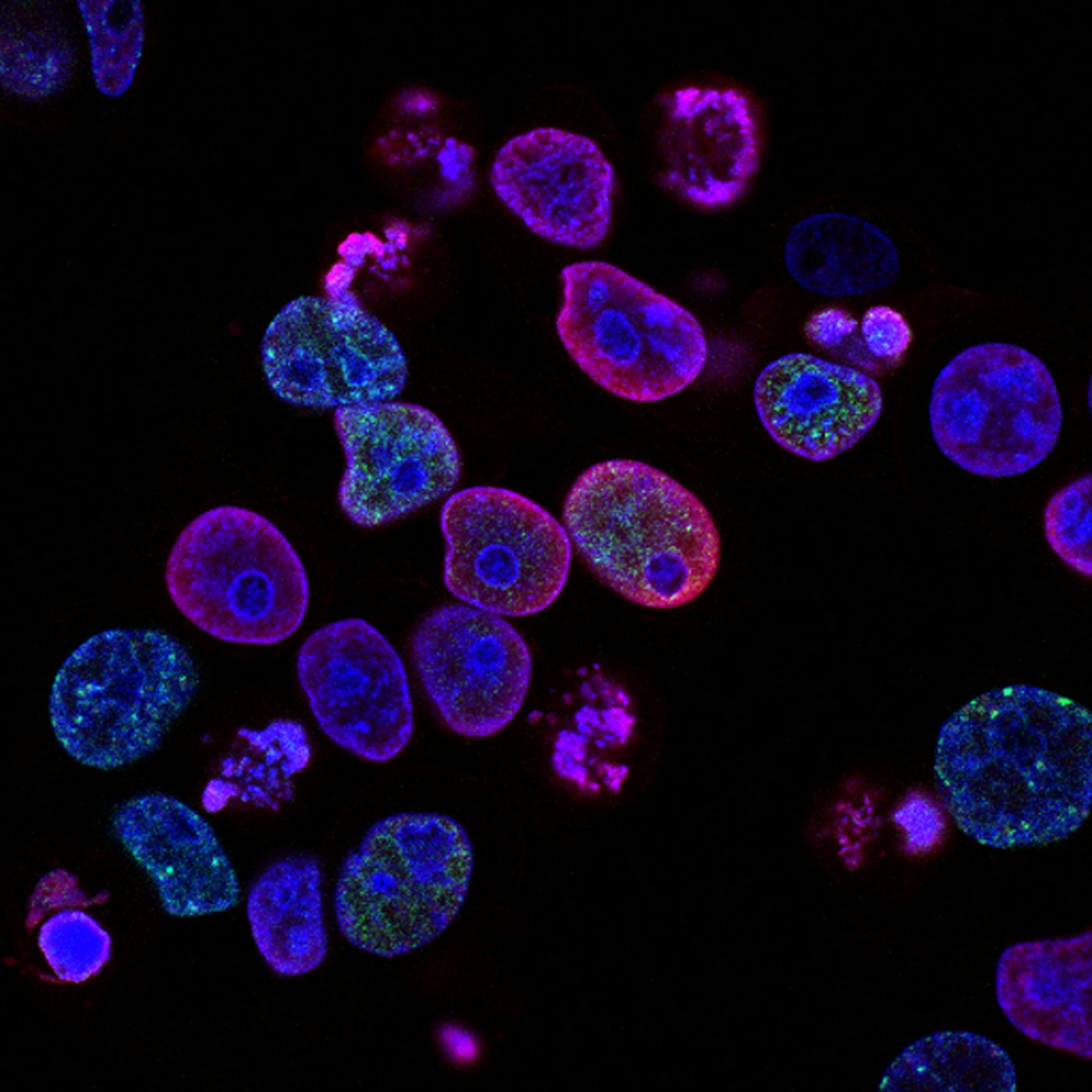
Photo: Unsplash (laboratory research). Sources: The New York Times; related reports on Insilico Medicine and rentosertib.