After weeks of negotiation in the closing days of the 2026 session, California lawmakers reached a compromise on legislation that would set special electricity rules for data centers. The Los Angeles Times reported that bills associated with Sen. Steve Padilla and Assemblymember Rick Chavez Zbur would direct the California Public Utilities Commission to create distinct rates and interconnection rules so large AI facilities do not simply push grid-upgrade costs onto households.
The package is a response to community backlash over power bills, water use, and land. Industry groups representing Google, Meta, Amazon, OpenAI, and Anthropic argued that extra restrictions on top of California’s already high energy prices could send new campuses to other states. Local officials countered that they would lose tax base and construction jobs if the industry leaves.
Related measures moved in parallel. AB 2619, requiring annual water-use reporting by data centers, cleared the Legislature and headed to Gov. Gavin Newsom after he vetoed a similar bill last year. Other bills would assign transmission-upgrade costs to the interconnecting customer and require multi-year prepaid generation contracts for new large loads.
California is not an isolated case. Reporting this month has documented stalled U.S. data-center projects and local moratoria. A deal in Sacramento will be read nationally as a template: disclose water, isolate power costs, and make operators prepay generation rather than socialize the AI build-out onto ratepayers.
Key takeaway — California lawmakers agreed on special utility tariffs and cost-shift rules for data centers, pairing energy-market reform with new water-disclosure bills now heading toward the governor.
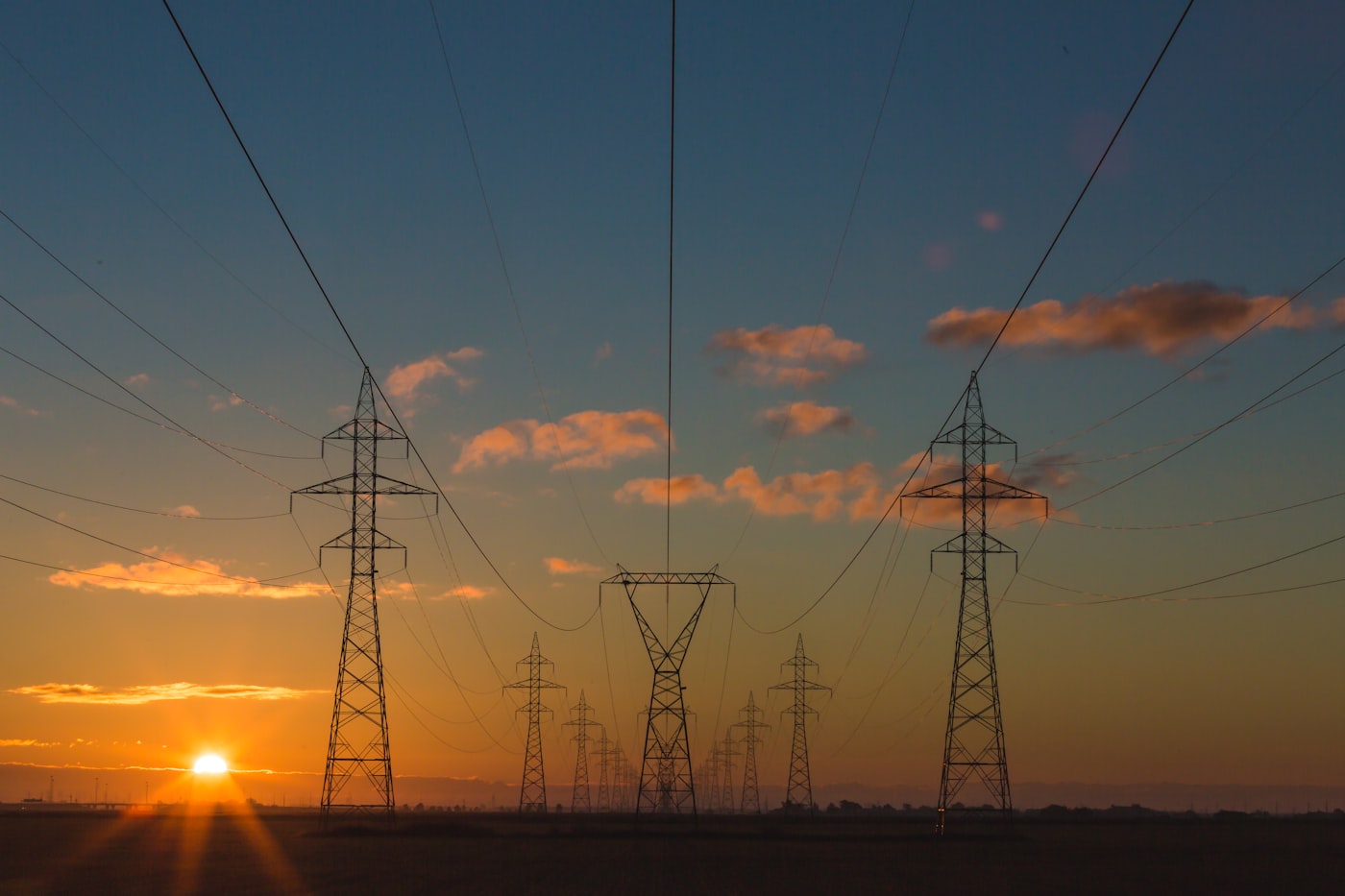
Photo: American Public Power Association / Unsplash · Sources: Los Angeles Times; The New York Times index; Fresno Bee; CalMatters.